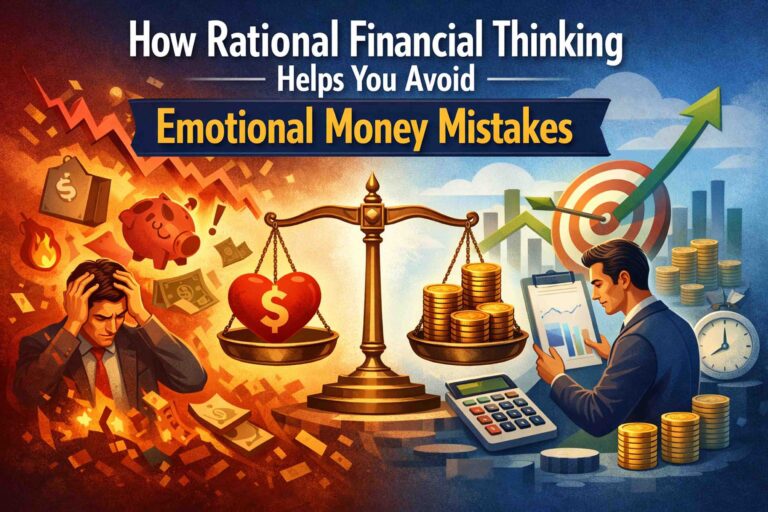
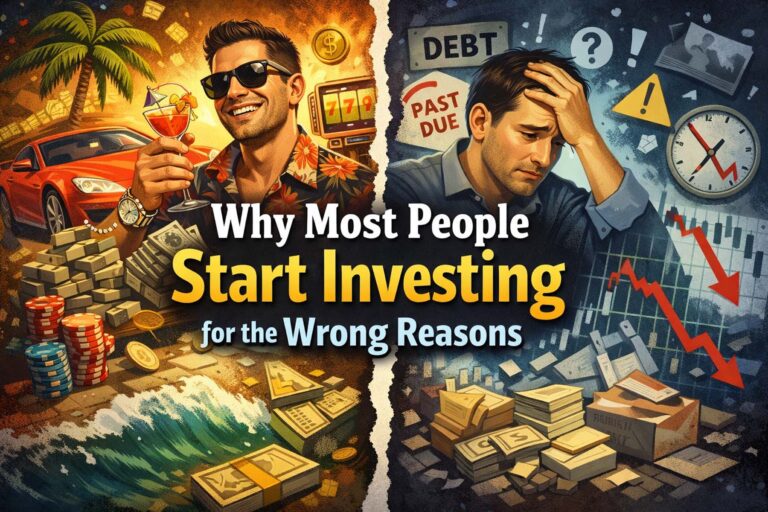
Invest Trand – The internet is filled with financial advice. From social media posts to blog articles and video tutorials, people are constantly told what to buy, what to avoid, and how to “optimize” their money. This abundance of information creates the impression that success comes from finding the right formula. In reality, copying advice rarely produces consistent results. What works for one person may fail for another, even under similar conditions. The difference is not access to information, but the ability to evaluate it. Critical financial thinking allows people to analyze advice instead of accepting it blindly. It transforms financial decisions from imitation into intentional action. Over time, this skill becomes more valuable than any single strategy.
What Critical Financial Thinking Really Means
Critical financial thinking is not about rejecting advice or becoming skeptical of everything. It is about understanding context, questioning assumptions, and evaluating consequences.
Instead of asking, “Is this strategy popular?” critical thinkers ask, “Does this make sense for my situation?” They focus on reasoning rather than popularity.
This approach reduces dependence on external opinions and increases confidence in personal decision-making. It does not eliminate mistakes, but it makes them more educational and less repetitive.
Why People Prefer Following Advice Instead of Thinking
Following advice feels easier than thinking independently. It reduces responsibility and simplifies decisions.
The Comfort of Ready-Made Answers
Advice provides clarity in uncertain situations. When someone else appears confident, it feels safer to follow their lead. This comfort, however, comes at the cost of understanding.
When outcomes differ from expectations, people often feel confused and frustrated because they never fully understood the reasoning behind the decision. Critical financial thinking replaces borrowed confidence with personal clarity.
How Critical Financial Thinking Improves Financial Decision Making
Every financial decision involves trade-offs. Critical thinking makes these trade-offs visible.
Instead of focusing only on potential gains, it encourages people to consider risks, opportunity costs, and long-term consequences. This broader perspective leads to more balanced decisions.
People who practice critical financial thinking are less likely to chase trends or react impulsively. They evaluate options based on alignment with goals rather than short-term excitement.
The Role of Bias in Financial Choices
Bias plays a major role in financial behavior. Even experienced investors are influenced by psychological shortcuts.
Recognizing Common Financial Biases
Confirmation bias leads people to seek information that supports existing beliefs. Recency bias makes recent events feel more important than long-term trends. Authority bias causes people to trust confident voices without verification.
Critical financial thinking does not eliminate bias, but it creates awareness. Awareness allows people to pause and reassess decisions before acting.
Why Critical Financial Thinking Protects Against Poor Advice
Not all financial advice is harmful, but much of it is incomplete or overly simplified. Advice is often designed to be general, while real financial situations are personal.
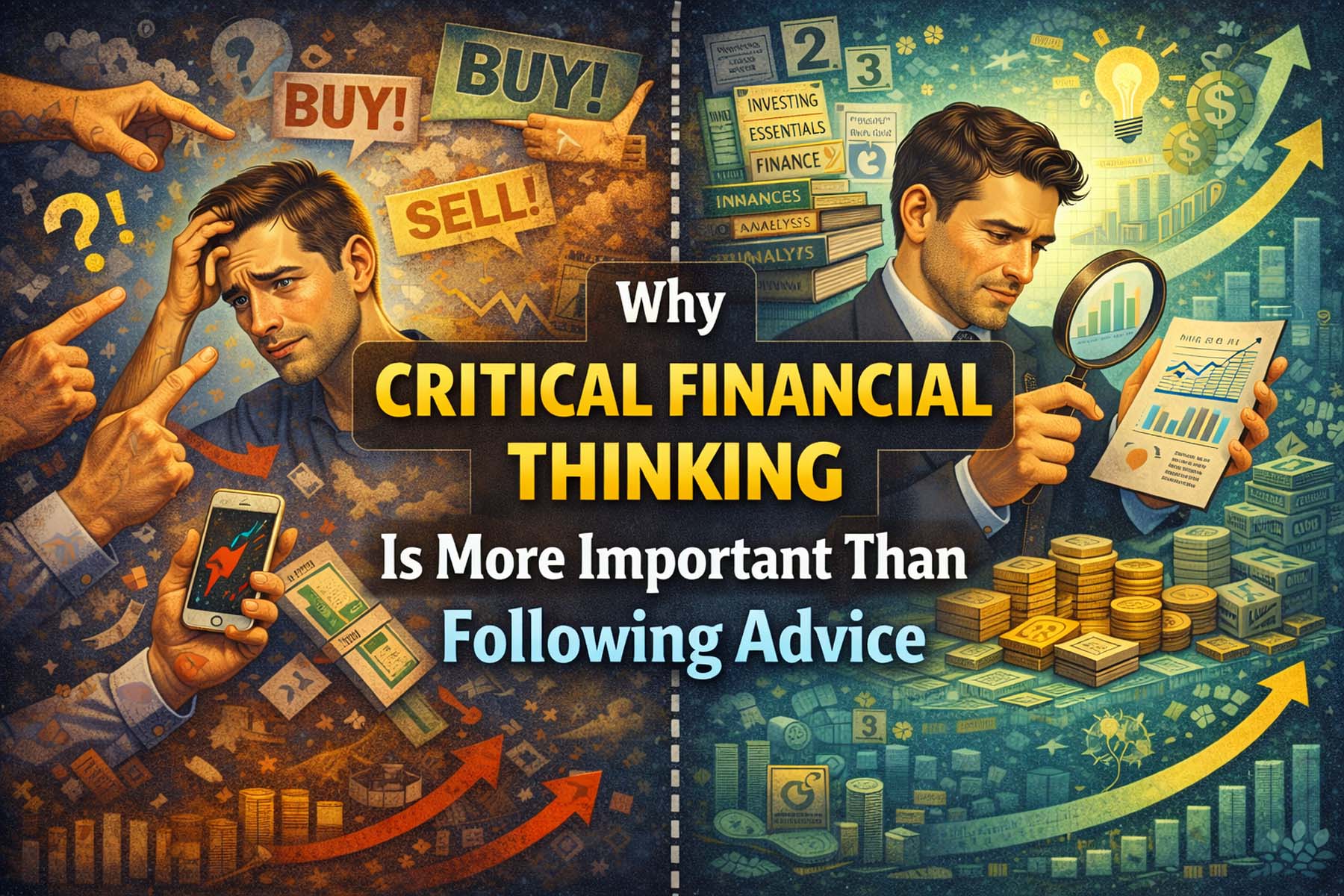
Critical thinkers evaluate whether advice fits their income, risk tolerance, and time horizon. They ask what assumptions the advice depends on and whether those assumptions apply.
This process reduces the chance of applying generic strategies to unique circumstances.
Critical Financial Thinking and Long-Term Stability
Long-term stability requires consistency. Blindly switching strategies based on new advice creates instability.
Stability Comes From Understanding, Not Certainty
Critical financial thinking helps people commit to decisions with realistic expectations. Instead of constantly searching for better options, they focus on refining existing plans.
This stability reduces emotional stress and decision fatigue. Over time, it creates a more predictable financial environment.
How Critical Financial Thinking Encourages Learning
Mistakes are inevitable in financial life. What matters is how people respond to them.
Critical thinkers analyze outcomes instead of blaming luck or external factors. They review their assumptions and adjust behavior accordingly.
This learning mindset transforms setbacks into feedback. Each experience contributes to stronger reasoning and better future decisions.
Critical Financial Thinking in an Information-Heavy World
Modern technology makes information abundant but attention scarce. People consume large amounts of content without processing it deeply.
Critical financial thinking acts as a filter. It helps people decide what deserves attention and what can be ignored.
Instead of reacting to every headline, critical thinkers evaluate relevance and credibility. This selective approach improves focus and reduces distraction.
Why Independent Financial Thinking Builds Confidence
Confidence built on imitation is fragile. When borrowed strategies fail, confidence disappears.
Independent thinking creates stronger confidence because it is based on understanding. Even when outcomes are not ideal, people trust their reasoning process.
This trust encourages long-term consistency and reduces dependence on external validation.
Developing Critical Financial Thinking Takes Practice
Critical financial thinking is a skill, not a personality trait. It improves with repetition and reflection.
People can strengthen it by reviewing decisions, questioning assumptions, and comparing expectations with outcomes. Over time, this habit becomes automatic.
Instead of reacting emotionally, decisions become more deliberate and structured.
Why Critical Financial Thinking Is a Long-Term Advantage
Trends change, strategies evolve, and markets shift. What remains valuable is the ability to think clearly under uncertainty.
Critical financial thinking adapts to new conditions without losing direction. It allows people to update strategies while maintaining principles.
In the long run, this ability becomes a competitive advantage. It does not promise perfect outcomes, but it consistently improves decision quality and financial resilience.
Frequently Asked Questions (FAQ)
What is the main purpose of critical financial thinking?
The main purpose is to improve decision quality. Critical financial thinking helps people evaluate information, avoid emotional reactions, and make choices based on reasoning rather than trends.
Is critical financial thinking only useful for investors?
No. It applies to budgeting, saving, debt management, and career decisions. Any situation involving money benefits from better reasoning.
How can someone practice critical financial thinking daily?
By questioning financial advice, reviewing spending decisions, and reflecting on why certain choices were made instead of acting automatically.
Does critical financial thinking mean ignoring professional advice?
Not at all. It means understanding the reasoning behind advice and adapting it to personal circumstances instead of following it blindly.
Why do people struggle to think critically about money?
Because financial decisions are emotionally charged. Fear, greed, and social pressure often override logical evaluation.
Can critical financial thinking reduce financial mistakes?
Yes. While it cannot eliminate mistakes completely, it helps people recognize patterns and avoid repeating the same errors.
How does critical financial thinking help during market volatility?
It encourages people to focus on long-term goals and probability instead of reacting to short-term fluctuations.
Is critical financial thinking a natural talent or a learned skill?
It is a learned skill. Anyone can improve it through reflection, education, and consistent practice.
What is the relationship between critical financial thinking and risk management?
Critical thinking improves risk awareness. It helps people understand trade-offs and avoid decisions that carry unnecessary or misunderstood risks.
Can critical financial thinking improve financial confidence?
Yes. Confidence based on understanding is more stable than confidence based on imitation. It allows people to stay consistent even during uncertain outcomes.