Invest Trand – Investing is often portrayed as a calm, rational decision based on careful planning and long-term thinking. Financial books, articles, and advisors describe it as a deliberate process supported by data, discipline, and patience. From the outside, investing looks like the result of knowledge.
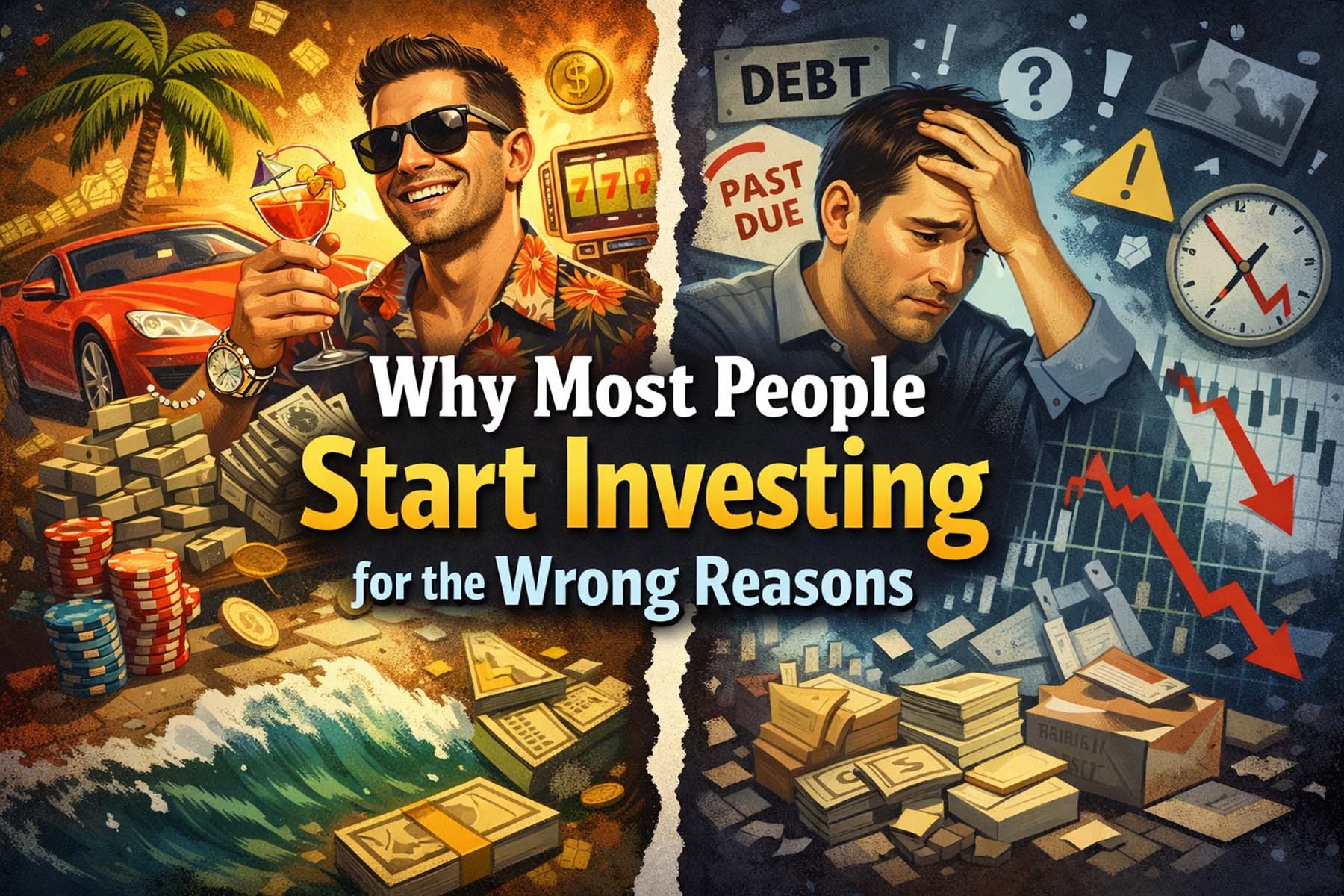
In reality, for most people, investing does not begin with understanding. It begins with discomfort. A quiet sense that savings are no longer enough. A feeling that time is running out. A comparison with others who appear more financially prepared. These emotions shape decisions long before logic takes control.
This gap between how investing is described and how it actually starts explains why so many people feel uneasy after they begin. The issue is rarely the market itself. It is the motivation behind the first step.
Investing Rarely Starts as a Rational Plan
People like to believe their financial decisions are logical. Admitting otherwise feels irresponsible. Yet when asked why they started investing, many people struggle to provide a clear explanation beyond vague ideas about growth, safety, or the future.
The truth is that investing often starts as a response, not a strategy. Something changes in a person’s environment — rising prices, conversations about returns, or news headlines about opportunity. That external signal triggers internal pressure.
Instead of asking whether investing fits their situation, people focus on when to start. The decision becomes about timing rather than understanding. This reversal creates fragile expectations from the beginning.
Social Pressure Shapes Financial Behavior More Than We Admit
Modern financial decisions are increasingly social. Investing is discussed openly at work, among friends, and across online platforms. Over time, it becomes associated with responsibility and intelligence.
Not investing, by contrast, can feel like falling behind.
When “Everyone Is Doing It” Becomes a Justification
Social comparison creates urgency. When others appear confident and successful, hesitation feels like a mistake. The pressure is subtle, but effective. People do not feel forced, yet they feel uncomfortable waiting.
This environment makes investing seem like a default choice rather than a deliberate one. The decision feels rational because it aligns with social norms, not because it has been carefully evaluated.
Following the crowd reduces anxiety in the short term, but it also reduces independent judgment.
Fear of Missing Out Often Feels Like Logic
Fear of missing out is usually described as emotional behavior. In finance, it often disguises itself as careful reasoning. People convince themselves that waiting is dangerous, while acting is responsible.
Markets rise. Opportunities appear limited. Stories of success circulate without context. Together, these signals create a sense that delay equals loss.
Why Urgency Replaces Curiosity
Urgency narrows thinking. When people feel time pressure, they stop asking deeper questions. Risk tolerance, time horizon, and personal goals are postponed in favor of immediate action.
The decision feels logical because it avoids imagined regret. In reality, it replaces understanding with movement. Acting quickly becomes more important than acting wisely.
Acting Before Understanding Becomes the Normal Path
In most areas of life, learning precedes action. Investing often reverses this order. Many beginners commit money first and plan to understand later.
This approach creates emotional attachment before clarity. Once money is involved, market fluctuations feel personal. Rational evaluation becomes difficult because outcomes affect self-confidence and identity.
Learning under pressure is rarely effective. Instead of building understanding, people react. They search for explanations only when something goes wrong, reinforcing stress rather than insight.
The Illusion of Being Prepared
Access to information creates a false sense of readiness. Articles, videos, and discussions provide exposure, but exposure is not understanding.
Information Is Not the Same as Understanding
Information answers what. Understanding explains why and what happens next. Many people recognize terms and strategies but cannot explain the consequences behind them.
This gap leads to misplaced confidence. When reality deviates from expectations, confusion replaces certainty. The issue is not a lack of intelligence, but a lack of coherent framework.
Why This Pattern Repeats Across Time
Although markets change, human behavior remains consistent. Each generation believes it faces unique opportunities, yet the motivations behind investing rarely differ.
Earlier generations experienced similar pressure around different assets. What has changed is speed. Technology accelerates exposure, shortens decision windows, and amplifies comparison.
The faster information spreads, the less time people have to reflect. This environment favors action over understanding, repeating the same mistakes in new forms.
When Investing Is a Reaction Instead of a Strategy
For many people, investing is not part of a structured financial plan. It is a response to discomfort — low interest rates, inflation concerns, or dissatisfaction with savings.
Reactive investing lacks clear objectives. Without defined goals, success becomes unclear and failure feels personal. People are unsure whether outcomes reflect poor decisions or unrealistic expectations.
This uncertainty often leads to frequent changes in approach, increasing emotional strain rather than financial stability.
Motivation Is Not the Same as Readiness
Motivation plays an important role in financial awareness. It encourages people to engage with their money. Problems arise when motivation is mistaken for readiness.
Why Feeling Ready Can Be Misleading
Feeling ready often comes from external reassurance — trends, narratives, and social validation. Being ready requires internal clarity: understanding risk, patience, and personal limits. Without that clarity, motivation drives premature decisions that later require emotional adjustment.
A Question Worth Asking Before Any Decision
Rather than asking whether investing is good or bad, a more useful question is often ignored:
Why do I feel the need to start right now?
The answer reveals fears, assumptions, and expectations that shape future behavior. Recognizing these factors does not delay progress. It strengthens it. Rational investing does not begin with action. It begins with awareness. When understanding leads and decisions follow, financial choices become more resilient — not because outcomes are guaranteed, but because expectations are grounded in reality.
Frequently Asked Questions (FAQ)
Why do many people feel pressured to start investing early?
Many people associate early investing with responsibility and intelligence. Social narratives suggest that starting late equals failure, creating pressure even when personal finances are not ready.
Is starting to invest without deep knowledge always a mistake?
Not always, but it increases emotional risk. Without understanding, investors may react impulsively to normal market movements, leading to poor decisions rather than long-term discipline.
How does fear influence investing decisions?
Fear often appears as urgency. People worry about missing opportunities, inflation, or falling behind others, which pushes them to act before fully evaluating their situation.
Can social media affect investment behavior?
Yes. Social media highlights success stories while ignoring failures. This creates unrealistic expectations and reinforces the idea that investing should produce quick, visible results.
Why do people confuse motivation with readiness?
Motivation is emotional energy, while readiness requires clarity. Feeling excited or encouraged does not guarantee understanding of risk, time horizon, or personal limits.
Is investing always better than saving?
Not necessarily. Saving and investing serve different purposes. Investing without stable savings can increase stress and force poor decisions during financial emergencies.
Why do first-time investors often change strategies quickly?
Without clear goals, investors interpret short-term results as signals to change direction. This behavior usually reflects uncertainty, not market conditions.
How can someone tell if they are investing for the wrong reasons?
If the decision is driven mainly by fear, comparison, or urgency rather than clear objectives and risk understanding, the motivation may be misaligned.
Does having more financial information reduce mistakes?
Not always. Information without structure can increase confusion. Understanding comes from connecting concepts, not consuming more content.
What is a better question than “When should I start investing?”
A more useful question is: Why do I feel the need to start now? The answer often reveals emotional drivers that shape future decisions.