Investrand – Small financial decisions often feel harmless. Buying coffee on the way to work, delaying a bill payment by a few days, or choosing convenience over planning rarely triggers immediate consequences. That’s exactly why they’re dangerous. I learned this the hard way when I realized my monthly “small expenses” were quietly eating a large part of my savings without me noticing.
A few years ago, I tried tracking every minor expense for 30 days. Nothing extreme — just normal daily spending. At the end of the month, I was shocked. The total was enough to cover an emergency fund contribution I had been postponing. That moment changed how I looked at money. It wasn’t big purchases that hurt me most. It was the repeated small choices I made without thinking.
This is why understanding how everyday decisions work beneath the surface is one of the most important skills in personal finance.
Why Small Financial Decisions Are Easily Ignored
Small financial decisions are ignored because they don’t create immediate pain. Paying an extra fee, ordering delivery instead of cooking, or skipping savings “just this once” feels insignificant in the moment. Our brains are wired to respond to short-term comfort, not long-term consequences.
Another reason is normalization. When everyone around us spends casually, it feels normal to do the same. Over time, these patterns become background noise. We stop questioning them. What starts as convenience slowly turns into habit, and habits are hard to break once they feel natural.
How Everyday Money Choices Shape Financial Outcomes
Everyday money choices act like invisible steering wheels. You might think your finances are controlled by salary size or big purchases, but the real direction comes from daily behavior. What you do repeatedly matters far more than what you do occasionally.
I once compared two months with similar income but different spending behavior. One month I cooked more, tracked expenses, and avoided impulse purchases. The other month I relied on convenience and didn’t monitor spending. The difference in leftover money was surprising. The income was the same, yet the outcome wasn’t.
These small adjustments create momentum. Positive patterns push finances forward, while careless habits slowly pull them backward.
Habits Create Automatic Behavior
Habits remove decision-making effort. When saving becomes a habit, you don’t debate whether to save — it happens automatically. The same applies to spending. If impulsive buying becomes routine, it will continue without conscious thought.
This is why many people feel “stuck” financially. They aren’t making bad big decisions. They are repeating small automatic behaviors every day that silently shape their financial reality.
Small Choices Influence Financial Identity
Over time, small choices shape how you see yourself. Someone who regularly tracks expenses begins to identify as financially responsible. Someone who constantly ignores bills may start believing they are “bad with money.”
Identity matters because it reinforces behavior. When you believe you are disciplined, you act disciplined. When you believe you are careless, you act accordingly. Small financial decisions don’t just affect numbers — they shape mindset.
The Compounding Effect of Minor Financial Mistakes
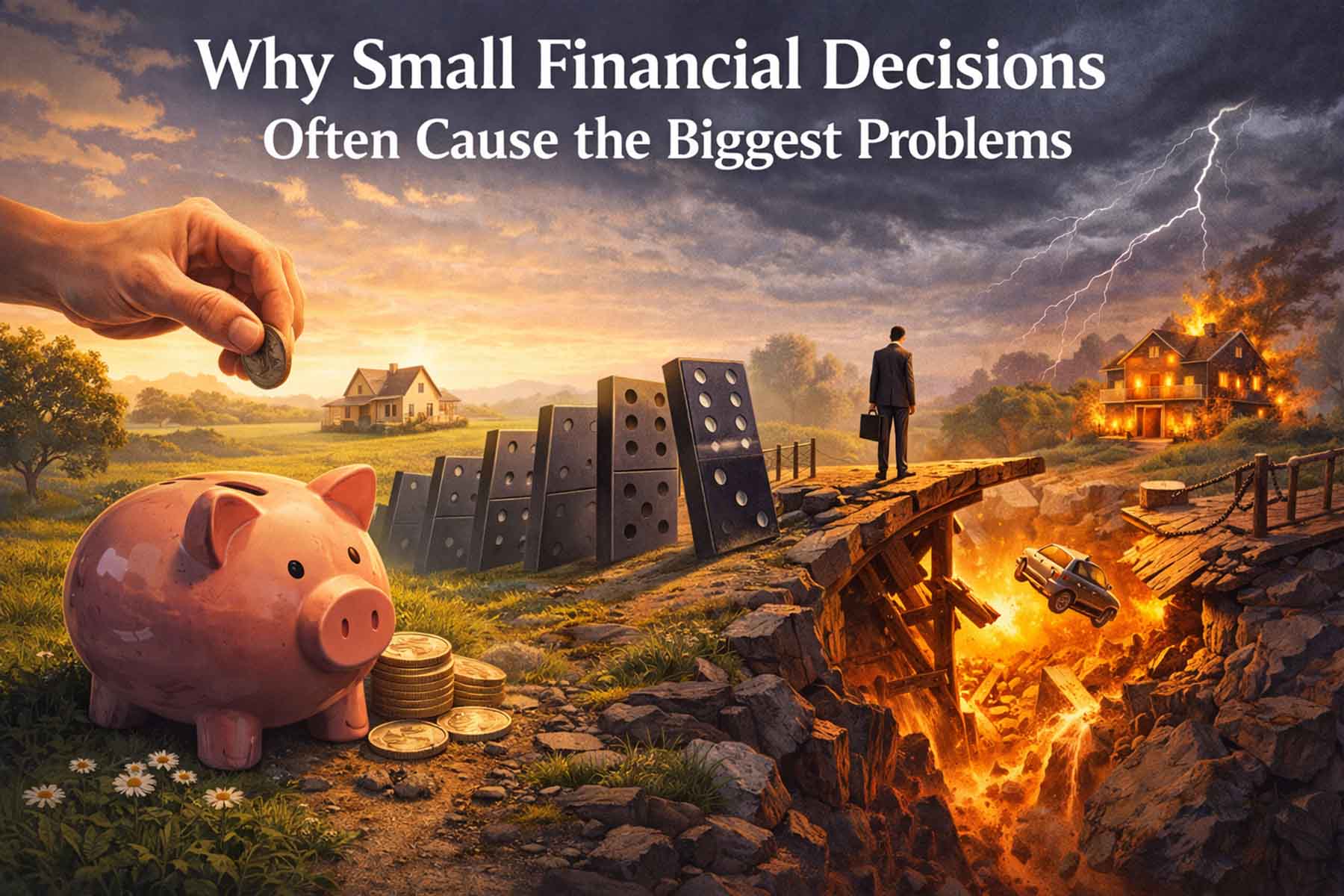
Compounding doesn’t only work for investments. It also works for mistakes. Late fees, small debts, and poor saving habits build on each other. One missed payment leads to penalties. One impulse purchase reduces available savings. Over time, these small losses accumulate into significant financial pressure.
What makes this dangerous is how slow it happens. There is no single dramatic moment. Instead, it’s a gradual slide that many people don’t notice until it becomes hard to recover.
Why Convenience Spending Becomes Dangerous
Convenience spending feels justified. We tell ourselves we are paying for time, comfort, or simplicity. While that’s sometimes true, it often hides unhealthy spending decision patterns.
I noticed this when food delivery apps became part of my routine. Individually, each order seemed affordable. But when I reviewed my monthly spending, delivery costs rivaled my utility bills. Convenience had quietly reshaped my budget without my permission.
Frictionless Spending Reduces Awareness
Modern payment systems remove friction. One-click purchases, digital wallets, and subscriptions make spending effortless. While this is convenient, it also disconnects us from the reality of money leaving our accounts.
When there is no physical exchange, spending feels abstract. This reduced awareness makes it easier to overspend without emotional resistance.
Convenience Creates Budget Leakage
Small convenience expenses often don’t have budget categories. They slip between planned expenses. Coffee here, delivery there, quick online purchases in between. These leaks add up.
Most people don’t fail financially because of one bad decision. They fail because their budget slowly leaks in dozens of small places they never monitored.
Delayed Financial Decisions Multiply Risk
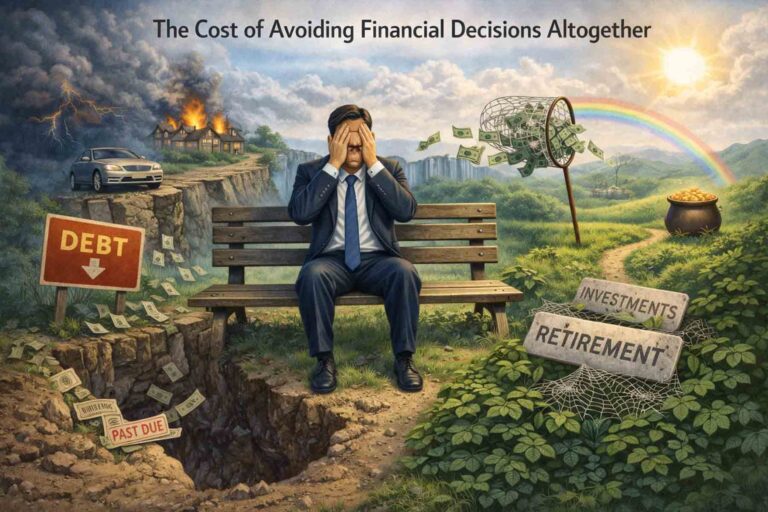
Avoiding small financial decisions can be just as harmful as making poor ones. Postponing savings, delaying debt management, or ignoring financial planning creates future pressure. Problems that could have been solved early become larger and more stressful later. Taking small proactive steps consistently is far easier than fixing large problems after they develop.
How Small Improvements Create Large Financial Gains
The good news is that small positive changes work the same way as small mistakes. Saving a little more, tracking spending weekly, or canceling unused subscriptions may seem insignificant. But over time, these actions compound into noticeable progress. You don’t need perfection. You need consistency.
Building Awareness Around Everyday Money Choices
Awareness is the foundation of financial growth. Simply paying attention changes behavior. When you know where money goes, you make better decisions naturally. I started reviewing my spending every Sunday evening. It took ten minutes, but it changed how I spent the following week. Awareness created accountability without stress.
Conclusion
Looking back, I realized my biggest financial lessons didn’t come from large investments or major purchases. They came from paying attention to the small financial decisions I used to ignore.
Money problems rarely appear suddenly. They grow quietly, hidden inside daily habits. The same is true for financial stability. It isn’t built overnight. It’s built through small choices repeated consistently.
If there’s one thing I’ve learned, it’s this: your future financial situation is being shaped today, not by big dramatic actions, but by the quiet decisions you make every day — often without realizing it.
Frequently Asked Questions (FAQ)
1. Why do small financial decisions matter more than big purchases?
Small financial decisions matter because they happen repeatedly. A single big purchase might affect your budget once, but daily spending habits influence your money flow every single day.
2. What are common everyday money choices people often underestimate?
Many people underestimate things like food delivery, subscription services, impulse shopping, late payment fees, and small convenience purchases.
3. How can I start improving my financial habits without feeling overwhelmed?
Start small. Track your spending for one week, cancel one unused subscription, or automate one savings transfer. Small improvements are easier to maintain and more effective long-term than trying to change everything at once.
4. Can small financial mistakes really lead to long-term money problems?
Yes. Small mistakes often compound over time. Late fees, growing interest, and missed saving opportunities build on each other.
5. How do spending decision patterns affect personal finance behavior?
Spending decision patterns shape how you react to money. If you often choose convenience and impulsive spending, it becomes automatic behavior.
6. What is the easiest way to become more aware of everyday money choices?
The easiest way is to review your spending regularly. Even a weekly check can reveal hidden patterns. Awareness alone often leads to better decisions without forcing strict rules.
7. Are small financial improvements really worth the effort?
Absolutely. Small improvements build momentum. Saving a little more, reducing unnecessary spending, and planning payments may feel slow at first, but over time they create meaningful financial stability and reduce stress.